
Khamir’s Ethical Leather Artisans of Gujarat
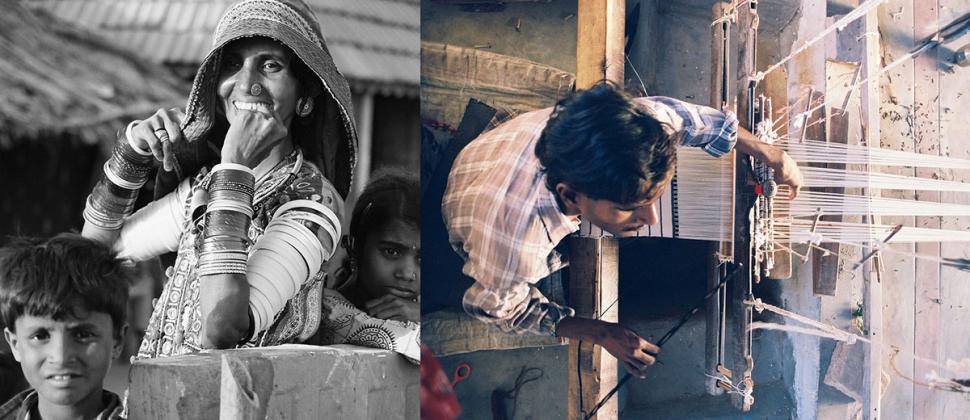
Sustainability in fashion isn’t just about materials; it’s about the hands and hearts that create them. One such testament to craftsmanship and conscious creation resides in the heart of Gujarat, India, under the patronage of Khamir.
Khamir stands as a beacon of ethical craftsmanship, preserving and promoting the traditional arts and crafts of Gujarat. Nestled amidst the vibrant landscape, this organisation is not just about fashion—it’s about celebrating the artisans and their mastery, especially in the realm of leather crafts.
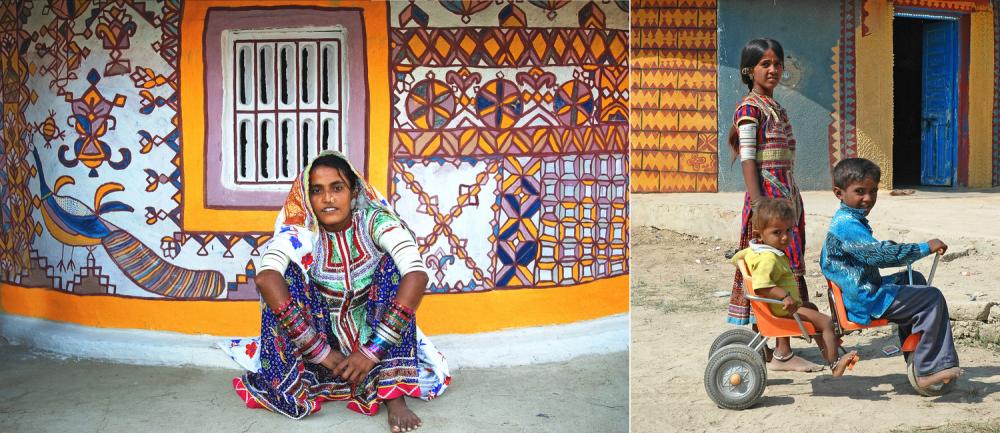
Leather Tradition in Gujarat
Gujarat boasts a rich heritage of leather crafts, with artisans showcasing remarkable skills passed down through generations. These artisans, often residing in remote villages, possess an innate connection to their craft and the natural materials they work with.
The leather craft of Kachchh, championed by the Dalit Meghwals from Rajasthan, embodies a tradition woven with remarkable resilience and artistry. Rooted in a deep history of resourcefulness and collaboration, this craft thrived through a symbiotic alliance with the nomadic Maldharis, fostering an ingenious practice of early recycling.
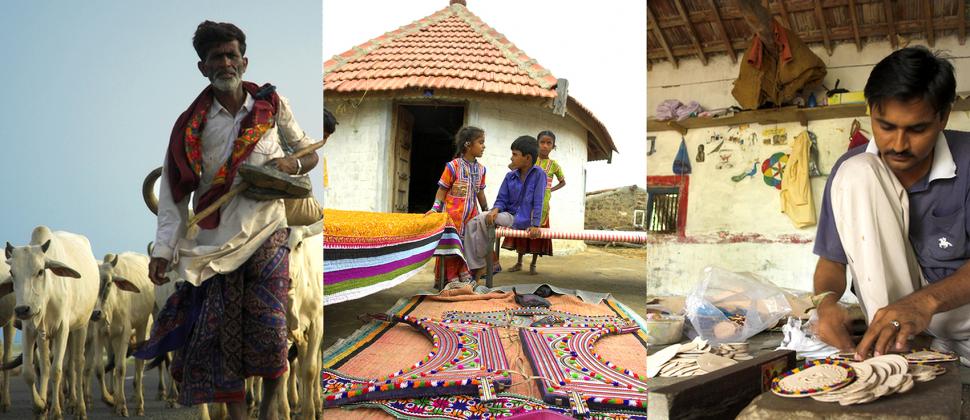
When a Maldhari cattle met its end, the Meghwals transformed the raw hide into durable leather, undertaking an arduous eighteen-day process to treat and wash it. This act of recycling breathed new life into waste, crafting the hides into functional treasures such as shoes, water bottles, saddles, and jugs. Kachchhi leather, renowned for its durability, held the distinctive ability to retain water. The artisans once even employed real silver thread to bind pieces of leather together, reflecting their commitment to quality and craftsmanship.
However, this heritage craft faces challenges in the modern era. The influx of cheaper factory-made alternatives has disrupted the local value chain, causing fragmentation and dependency on external markets. Social stigmas attached to the craft have led Meghwals to refrain from converting raw hides, further eroding traditional community linkages. As a result, artisans struggle to control raw material costs, facing a significant disparity between rising raw leather prices and relatively stagnant finished goods’ selling prices.
This shift in dynamics has compelled several artisans to abandon the craft, opting for factory work, thus diluting the quality and authenticity of local leather craft. Yet, amidst these challenges, Khamir steps in with a mission to revive and preserve this traditional craft.
Khamir’s intervention focuses on holistic development, fostering new designs, enhancing quality, and ensuring access to fairly priced raw materials. By nurturing a renewed appreciation for quality craftsmanship within the local community, Khamir encourages artisans to continue this time-honoured practice. Collaborating with Khamir, artisans craft innovative, marketable products, striving to reclaim the essence and allure of authentic leather craft. Khamir’s educational initiatives equip artisans with business knowledge and fair pricing understanding, paving the way for an industry resurgence.
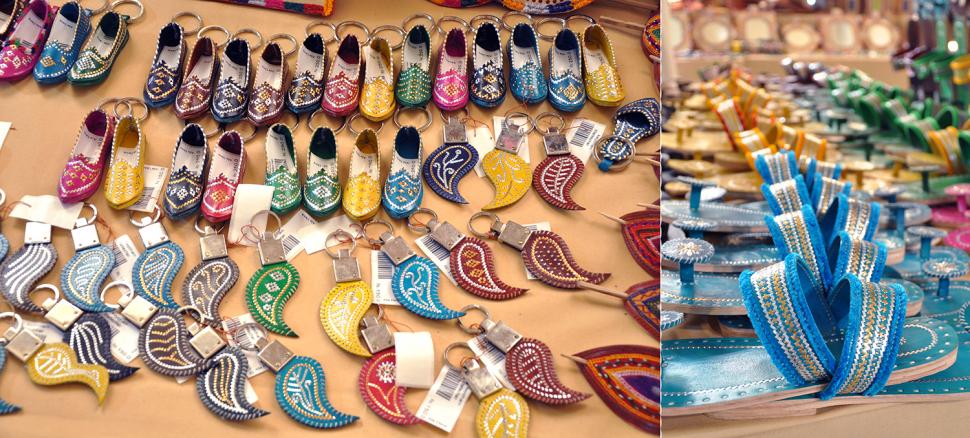
The craft itself involves distinct techniques like Jari Kaam and Torni. Jari Kaam intricately employs silver and golden Jari to fashion intricate designs, while Torni weaves colourful patterns on leather goods. The dyeing process using local dyes further accentuates the craft’s uniqueness.
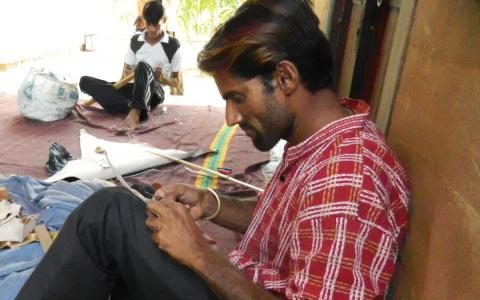
ArtisanMarwada Desar Bharmal embodies the craft’s generational legacy. Initially indifferent, Marwada Desar Bharmal found renewed passion and purpose in his craft after workshops conducted by Khamir. Learning from seasoned artisans, Phota kaka and Ala Deva, he mastered the Jari work technique. Empowered and inspired, he chose to re-engage with his traditional craft, contributing keychains and diverse crafts to the markets, cherishing each creation as a testament to his heritage and newfound enthusiasm.
Khamir’s Commitment to Sustainability
Khamir’s journey intertwines with the lives of these skilled artisans. The organisation prides itself on nurturing sustainable practices while honouring the artistry and culture of the communities they work with.
Preserving Heritage: Khamir recognises the importance of preserving heritage techniques. They provide a platform for artisans to not just continue their craft but also innovate and adapt to contemporary demands without compromising tradition.
Empowerment and Fair Trade: Through fair trade practices, Khamir ensures that artisans receive fair compensation for their exquisite work. This approach empowers communities, preserves indigenous skills, and contributes to the economic sustainability of these regions.
Environmental Consciousness: Beyond supporting artisans, Khamir emphasises environmental responsibility. They explore sustainable alternatives in leather production, focusing on minimising waste and employing eco-friendly methods wherever possible.
Embracing Ethical Fashion
At Restylist, we believe in celebrating such artisans and their remarkable craftsmanship. Each piece from Khamir represents a harmonious blend of tradition, sustainability, and artistic flair—a testament to ethical fashion that respects both people and the planet.
Khamir’s dedication to preserving and promoting the heritage crafts of Gujarat reflects a commitment to sustainability, ethics, and the empowerment of artisan communities. Through their tireless efforts, they not only create exquisite leather crafts but also keep alive a cultural legacy that spans generations.
At Restylist, we stand with organisations like Khamir, embracing their ethos of sustainable and ethical fashion. Together, let’s honour and support these artisans, ensuring their timeless crafts continue to adorn our lives while preserving our planet’s rich cultural heritage.
(Images provided by Khamir and blog written in collaboration with AI tool Chat GPT)